
The Simple Military Trick You Can Do at Home in 15 Minutes to Feel Strong Again — No Gym, No Equipment
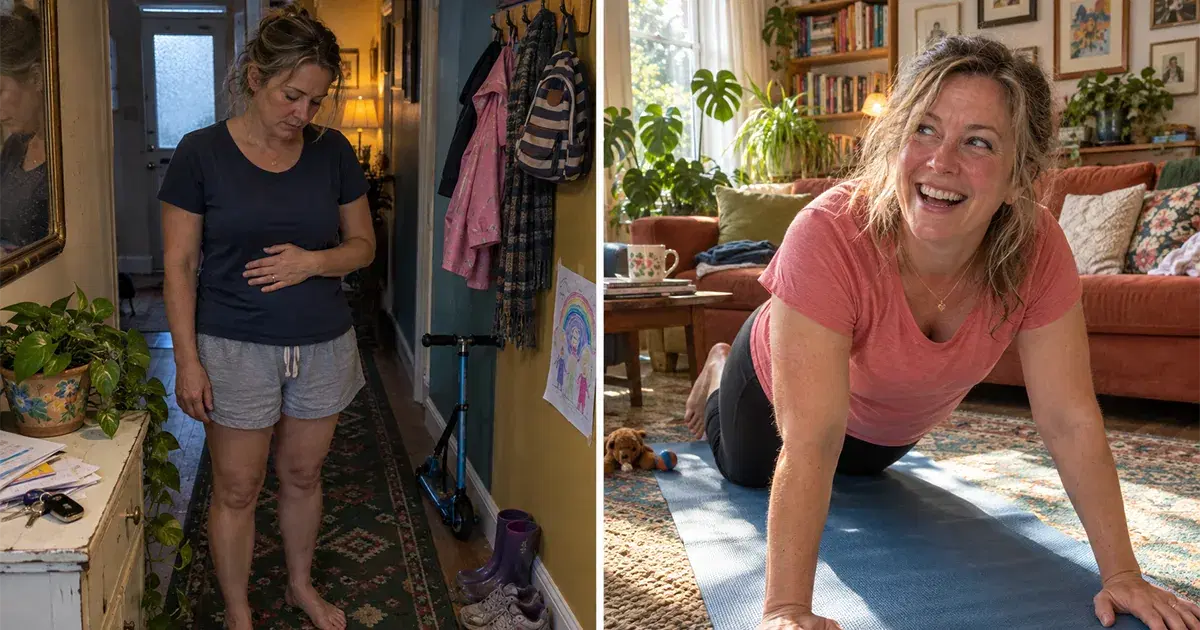
I catch my reflection in the hallway mirror most mornings. Then I look away fast.
I'm 43. I'm a mom of two, and I've worked full-time for years. For a while now, I've felt "off." My arms don't feel strong like they used to. My clothes fit different, even though the scale hasn't moved much. By 3pm, I'm dragging — reaching for my third coffee just to get through the day.
I kept telling myself this was just what 43 feels like. I wasn't trying to look 25 again. I just wanted to feel like myself.
Then I mentioned it to my friend Lisa over coffee. Turns out she was dealing with almost the exact same thing.
That's when it hit me: this probably isn't just us.
Does this sound like you too?
Between me and Lisa, we checked off almost every one of these. See how many sound familiar to you.
✓ You feel soft in places that used to feel firm
✓ Stairs make you winded — and they never used to
✓ Your energy crashes hard by mid-afternoon
✓ Your clothes fit different around your arms and shoulders
✓ Your posture has started to slump
✓ You don't feel "strong" in your own body anymore
✓ You catch yourself avoiding mirrors or photos
Most women check off three or more of these.
We blamed it on stress. Or age. Or bad luck.
We tried eating less. Walking more. Cutting carbs.
But what if all of these come from one simple cause?
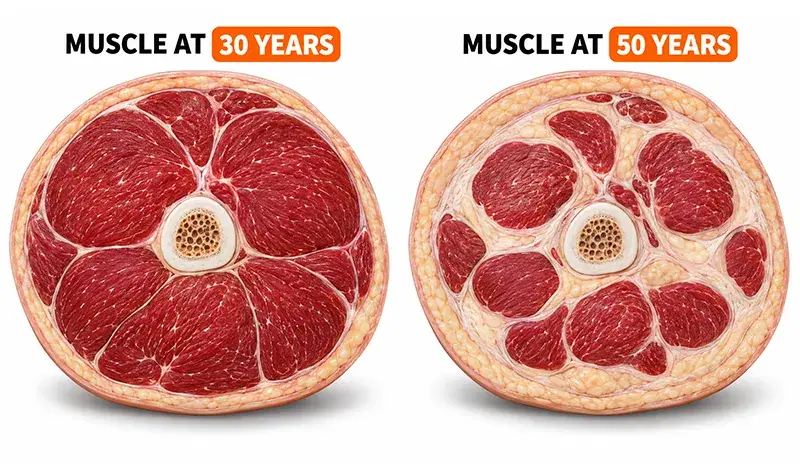
What if research shows most women are quietly losing something every year — and most have no clue?
The real reason your body is changing
If two or more of those symptoms sound like you, here's what's really going on. So I started digging. Here's what I found.
Your body has been quietly losing muscle. For years. And you probably had no idea.
Studies show that after age 30, the average woman loses 3 to 5% of her muscle every ten years. This loss speeds up even more around menopause, when your hormones shift.
Doctors call this sarcopenia. Most women have never heard the word — because most doctors don't bring it up until it's already a problem.
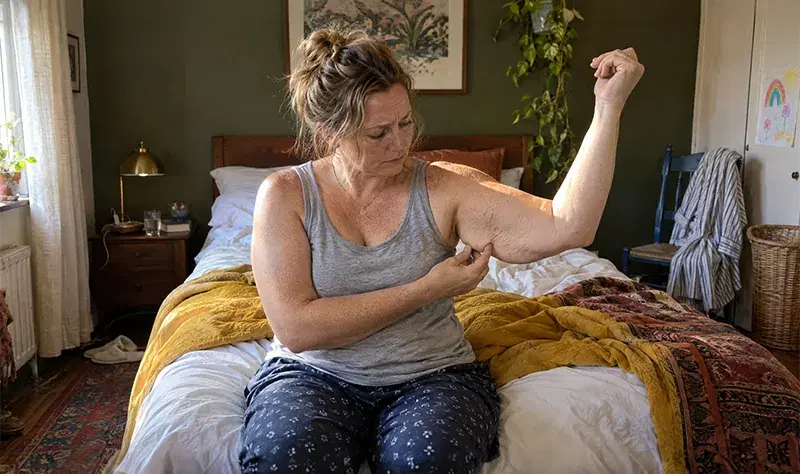
Here's what it's doing to you, quietly, every single year:
-
It slows your metabolism. The same food that used to keep your weight steady now adds pounds.
-
It weakens your posture. That's why standing up straight suddenly takes work.
-
It drains your energy. Muscle is what your body burns for fuel all day — not just during a workout.
-
It makes fat easier to gain and harder to lose. Even if you haven't changed what you eat.
-
It gets worse every year you don't deal with it.
Think of it like a car slowly losing horsepower. No warning light ever turns on.
No wonder you're tired. No wonder you feel soft in places you didn't used to. No wonder nothing works like it used to.
And here's the important part: this isn't about willpower. Your body has been changing whether you did anything "wrong" or not.
Why dieting harder never worked
This is where I got stuck for years.
When your body starts changing, the first instinct is to eat less or add more cardio. That's exactly the trap I fell into.
Here's what almost nobody tells you: when you cut calories without training your muscles, your body burns muscle right along with fat. So the harder you diet without strength training, the more you slow down your own metabolism.
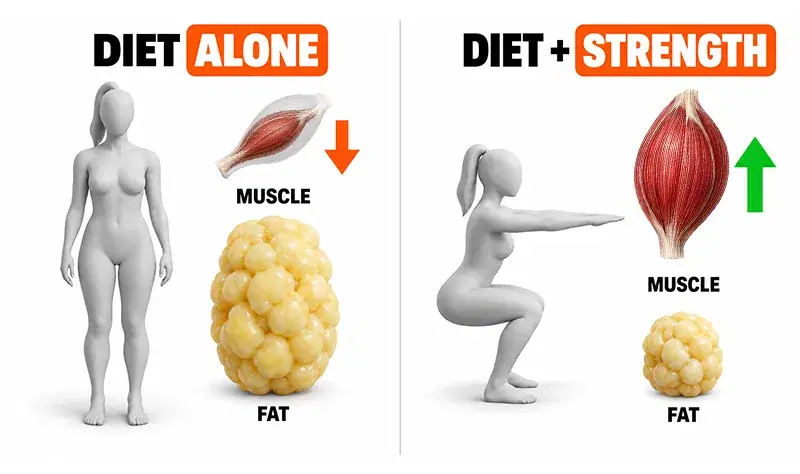
Here's why none of my old fixes worked long-term:
-
Crash diets? I tried them. They burn muscle with the fat — and it's harder to lose the second time.
-
Cardio only? I ran, I walked, I did it all. Good for endurance. Did almost nothing to rebuild lost muscle.
-
"Just eat less"? Worked for a few weeks. Then my metabolism slowed and I got stuck.
-
Random workout videos? I had about ten different apps I'd downloaded and quit. No plan, no real progress, easy to give up on.
I wasn't short on discipline. I was solving the wrong problem.
So what actually works?
The discovery that changed everything
This is where my story took a turn. Lisa's too.
After years of "just dealing with it," I found something that finally made sense.
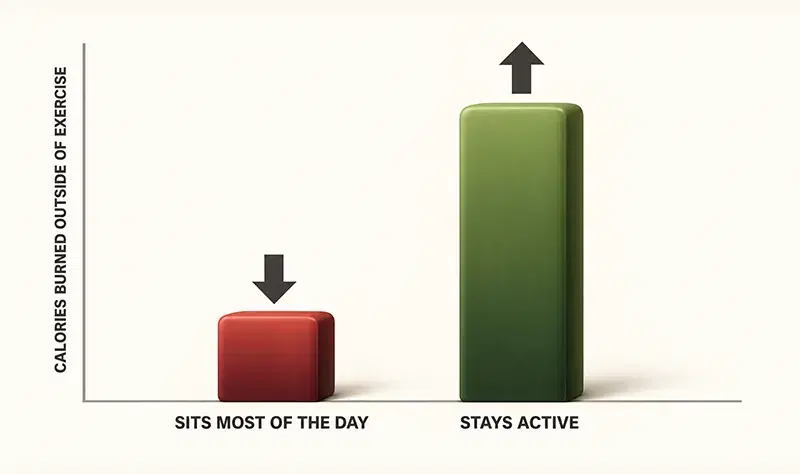
I came across research comparing active people to people who sit most of the day. The active group didn't just work out more — they moved more all day long, without even trying. One study found active people burned over 800 extra calories a day just through normal movement — walking, standing, fidgeting. Sedentary people burned only about 640.
A second study, from the University of Georgia, found something just as useful. People who started a simple, easy workout routine saw their energy go up by 20%. Their tiredness dropped by 65%. This happened fast — often before their fitness even improved.
In plain terms: getting stronger doesn't just change how you look. It changes how much energy you have for the rest of your day. You move more without trying. You burn more without extra gym time.
It's a snowball. Once it starts rolling, it keeps going on its own.
But here's the catch I almost missed: the type of training matters — a lot.
Most women who try to get back into shape pick something random. A YouTube video one day. A Pinterest workout the next. I know, because that was me — quitting within two weeks because there was no plan and no visible progress.
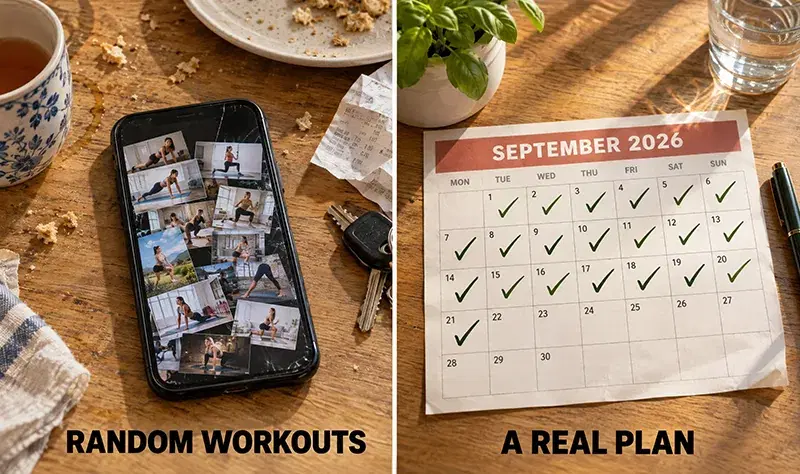
Studies on structured, step-by-step bodyweight training show something different. When your body is challenged in an organized way that builds week by week, it holds onto — and rebuilds — muscle far better than random workouts do.
That's the piece almost every home workout gets wrong. It's not the exercises. It's the missing structure.
The two-part method helping thousands of women rebuild
Here's what I learned next.
Rebuilding lost muscle is only half the job. Your body also needs to use that strength all day — or the results stall fast.
That's why the best approach uses two things together:
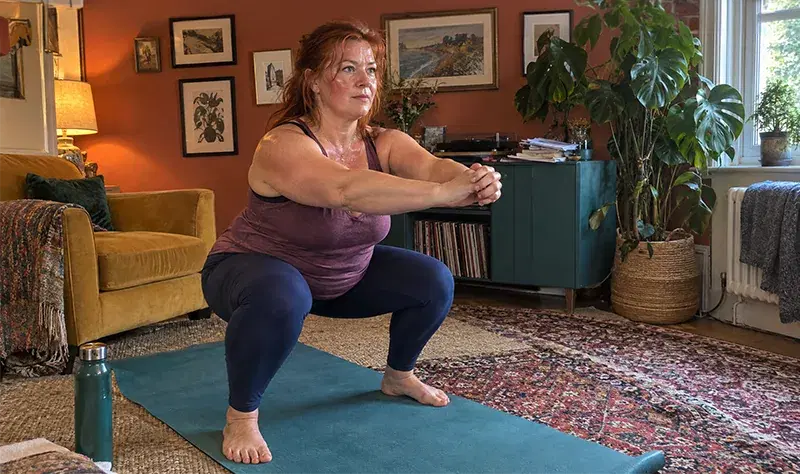
First: Military-style bodyweight training. This is your rebuild.
A step-by-step plan of simple moves — the same kind used to build real strength fast, with no equipment. Built for women's bodies. Built to scale up from complete beginner.
Second: The daily energy snowball. This is your multiplier.
As your strength comes back, so does your energy. You start moving more all day, not just during your 15-minute workout. That's where the real results come from.
Together, they're why this works when random workouts didn't.
Maria Torres found this out after years of things that didn't work.
"I tried every diet and every app for three years straight. Nothing worked, because I kept trying to eat less instead of building back what I'd lost. One week in, I wasn't sore in a bad way. I was sore in a way that felt like my body remembered what it used to be able to do."
While other women keep cycling through diets that miss the real problem, the gap just keeps growing.
Finally, a plan built for this exact problem
Remember that research — the one showing active women burn hundreds more calories a day without trying?
One team built that exact idea into a full program. Structured. Step-by-step. Military-style bodyweight training. Made for women 40 and up.
It's called FitFlow. I took the quiz that same week.
It's helping thousands of women get their strength back — me and Lisa included.
Unlike random YouTube videos or generic fitness apps, FitFlow gives you a clear, step-by-step plan built around how women's bodies respond to training after 40. No equipment. No gym. No guessing what to do each day.
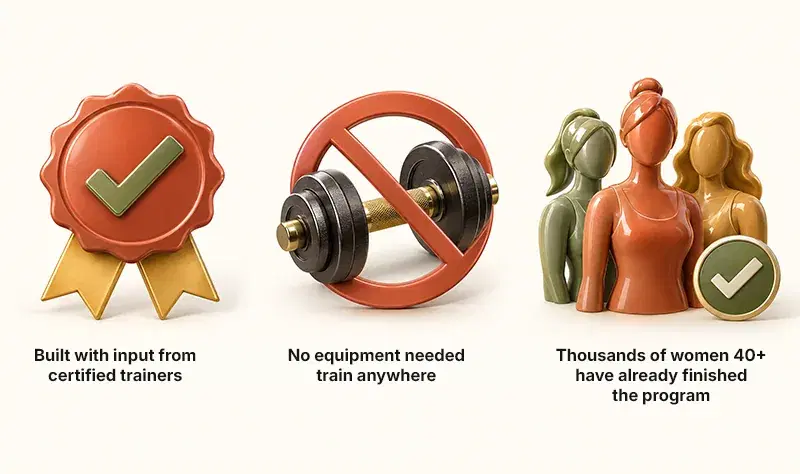
Best part? Each workout is just 15 to 20 minutes. Built to fit into a life that's already full.
"I thought 'military-style' meant burpees until I passed out. At 52, I was scared to try it. Turns out it's not like that at all — it builds up slowly. Three months in, and I finally feel strong again."
Denise K. | Verified User. Results may vary.

"The 15-minute workouts are why I actually stuck with it. I've quit other apps after a week. This one I've done almost every day for two months."
Carol R. | Verified User. Results may vary.
"I didn't expect the energy boost. I'm not dragging through my afternoons anymore. I just... do more now. Walking more, standing more, not collapsing on the couch by 6pm."
Angela M. | Verified User. Results may vary.

Here's what nobody told me before I started
When you start training again after years off, your body needs to adjust.
Some soreness the first week is normal. It doesn't mean anything's wrong.
If the word "military" made you nervous — it made me nervous too. Every workout is built for beginners. Nobody's doing hardcore drills on day one.
Most women feel a change in energy within the first week or two. Real strength and body changes usually show up by week three or four. That's exactly how it went for me.
See the personalized plan recommended by experts
Take the QuizResults may vary due to personal features
Your body is trying to tell you something
I ignored these signals for years. I don't want you to do the same.
Right now, your body is sending you signals.
These symptoms aren't random.
They're not "just getting older."
Your body is quietly losing ground, year after year.
Every year you wait:
-
The muscle loss adds up. 3-5% doesn't sound like much — until it's ten years later.
-
Your energy keeps dropping.
-
Your metabolism keeps slowing.
-
The gap between how you feel now and how you used to feel keeps growing.
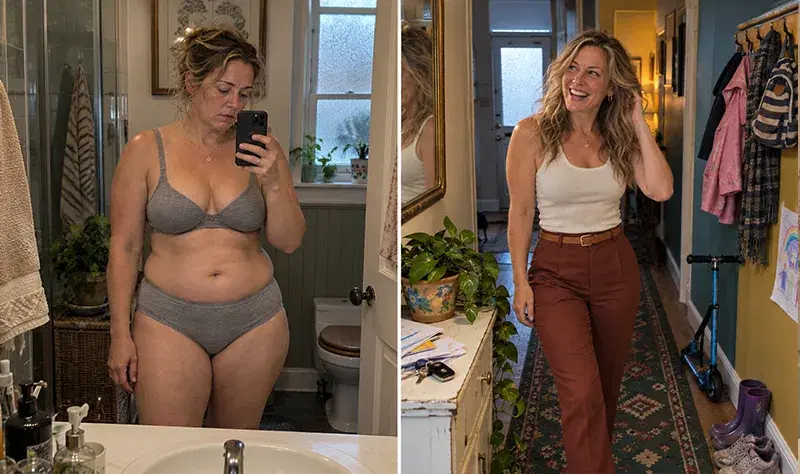
But picture waking up with real energy. Not needing a third coffee just to get through 3pm.
Feeling strong doing normal things — carrying groceries, keeping up with your kids or grandkids, climbing stairs without thinking twice.
Catching your reflection — and not looking away.
See the personalized plan recommended by experts
Take the QuizResults may vary due to personal features
The choice that changed everything
I made my decision after years of feeling like this was just my life now.
"I'd already tried three other apps and a gym membership I barely used. What's one minute to take a quiz? I had nothing to lose."
Ten days in, my energy shifted first — before anything else changed.
Three weeks in, I noticed I wasn't avoiding the hallway mirror anymore.
Lisa started the same week I did. Three months later, we still text each other a screenshot after every workout.
"I don't feel like I'm fighting my own body anymore. I feel like myself again. Honestly stronger than I remember feeling in my 30s."
Results may vary.

See the personalized plan recommended by experts
Take the QuizResults may vary due to personal features
It's time to stop the shrink
I waited years before I did anything about mine. I don't want you to wait that long.
That muscle loss won't fix itself.
It's been building quietly for years. It won't slow down on its own.
You can keep treating each symptom on its own — the tiredness, the softness, the slump.
Or you can deal with what's actually causing it.
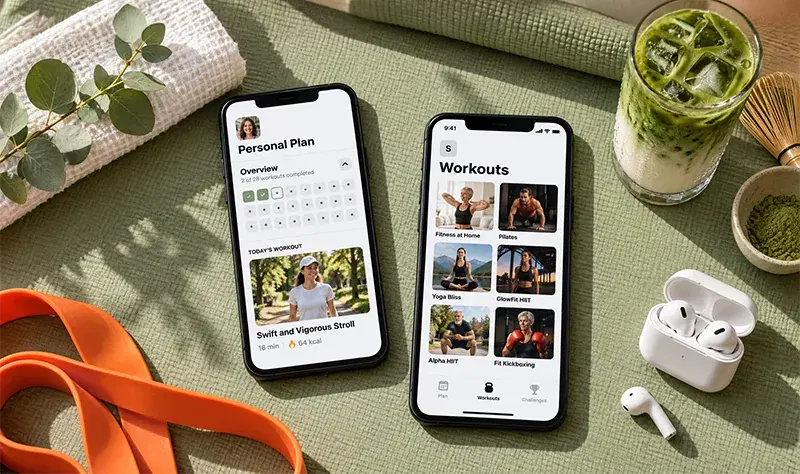
It starts with one free quiz — one minute, no commitment — that builds your plan around your age, your goals, and where you're starting from.
Don't wait another ten years to find out what 3-5% a year adds up to.
Take the quiz today. No equipment. No gym. Just 15 minutes a day, starting with your own personalized plan.
See the personalized plan recommended by experts
Take the QuizResults may vary due to personal features
P.S. I wish someone had told me this ten years ago. Losing muscle after 30 isn't rare. It's the default — unless you do something about it.
Research shows the average woman loses 3-5% of her muscle every ten years, and it speeds up after 50. If you checked off 3 or more symptoms above, this is likely why.
FitFlow's step-by-step plan is built to stop that pattern. No equipment. 15 minutes a day.
Most women notice more energy within the first two weeks. Take the free quiz today and see your plan.